
Learn
What’s so Special about Owls?
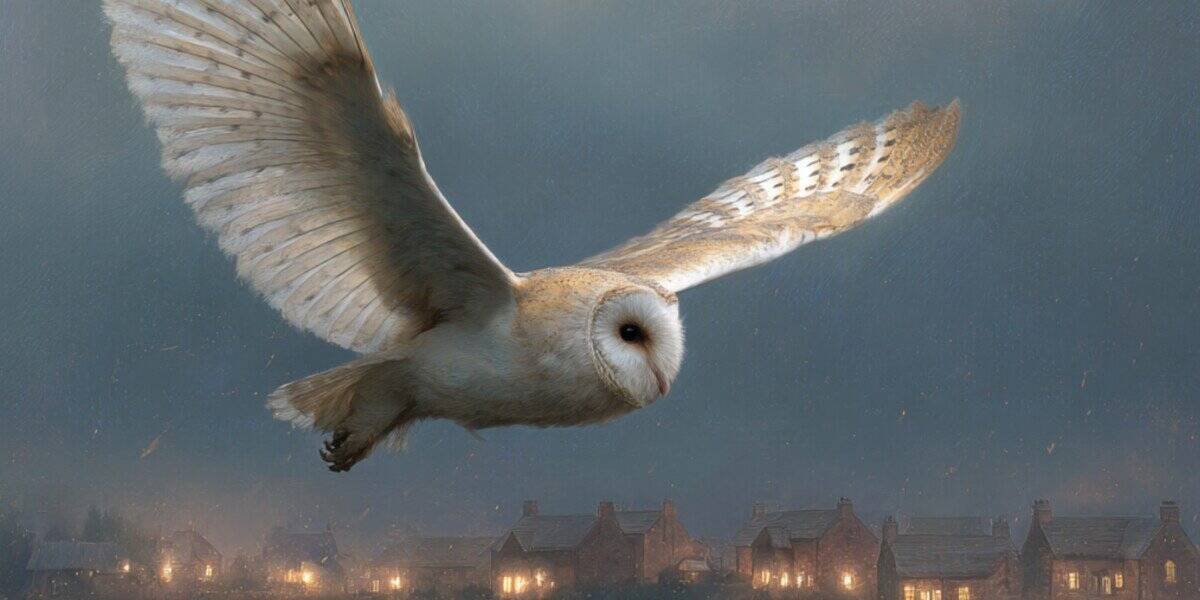
Think you know owls? Most of us carry the same mental image: a wide-eyed bird perched stoically on a branch, swivelling its head in that uncanny way, hooting softly into the dark. It’s a comforting picture, almost a cliché. But here’s the thing, that image barely scratches the surface of what owls actually are. Beneath those soft feathers and those seemingly calm, ancient eyes lies a creature so biologically extraordinary that scientists, ornithologists, and wildlife researchers keep returning to them, again and again, unable to look away.
Welcome to the secret world of owls. By the time you reach the end of this post, you won’t just appreciate these birds, you’ll be genuinely astonished by them.
What makes owls special?
The Biology, the Mystery, and the Magic
There’s a reason owls appear in the mythology, folklore, and symbolism of virtually every human culture on Earth. From the ancient Greeks associating them with Athena, goddess of wisdom, to Indigenous traditions across the Americas and Africa viewing them as messengers between worlds, something about the owl has always felt deeply significant. But cultural reverence, fascinating as it is, tells only half the story.
They are unique thanks to their biology. They’re more than just night-time hunters, they’ve evolved over millions of years into incredibly precise creatures. Every part of their body, from the way their feathers are built to the shape of their skulls, has been fine-tuned for the specific role they play in the ecosystem.
Owls belong to the order Strigiformes, with over 200 recognised species found on every continent except Antarctica. They live in places from tropical rainforests to Arctic tundra, from suburban gardens to remote mountains. Their wide adaptability is impressive, but their biology reveals even more remarkable details.
Their eyes aren’t round like ours, they’re more like tubes and can’t move, so owls have to turn their whole heads to see. They can twist their necks up to 270 degrees because their vertebrae and blood vessels are special, stopping any damage. Pretty clever. They are top hunters in their habitats. They keep down numbers of rodents, insects and little mammals, which helps the whole ecosystem. Groups like the RSPB say protecting owl homes matters, because healthy owl numbers usually mean a healthy environment. If owls vanish, the effects spread far and wide.
Do Owls Really Have Exceptional Hearing?
(The Answer Will Surprise You)
Imagine being able to locate a mouse moving beneath a thick layer of snow, purely by sound, from dozens of metres away in complete darkness. That’s not a dramatic exaggeration, that’s Tuesday night for a barn owl.
Owl hearing is, without question, one of the most extraordinary sensory systems found anywhere in the animal kingdom. And the secret lies in two remarkable structural features that work in concert to create something genuinely astonishing.
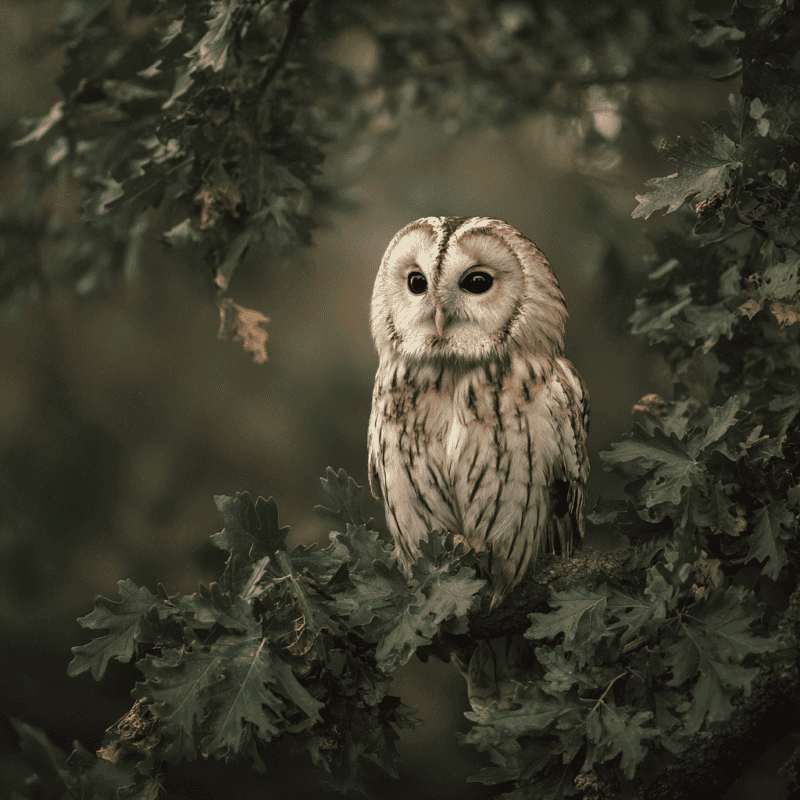
In many owl species, the ears are not positioned symmetrically on either side of the skull. Instead, one ear sits higher than the other. This asymmetry allows owls to process sound arriving at fractionally different times from above and below, as well as from side to side. The result is a form of three-dimensional acoustic mapping, the owl builds a precise spatial picture of its environment using sound alone, in the same way that we might use sight.
This is not a minor advantage. It means that even in conditions of total darkness, certain owl species can hunt with pinpoint accuracy, guided entirely by the rustling, scurrying sounds of prey moving through undergrowth or beneath snow. It is, in every meaningful sense, a form of biological sonar.
Take a good look at an owl’s face and you’ll spot that heart-shaped or rounded ring of feathers around the eyes. It might look decorative, but it’s actually a clever sound catcher. The facial disc acts like a feathered satellite dish, directing noises to the ear openings hidden underneath.
Tiny muscles let the owl tweak the disc, fine-tuning its hearing the way you might cup your hand behind your ear, only way more precise. Pair that with ears set slightly differently on each side, and you’ve got one of nature’s best listening systems: layers of clever tweaks that all work together.
How Do Owls Fly Silently?
The Feather Secret That Engineers Are Still Studying
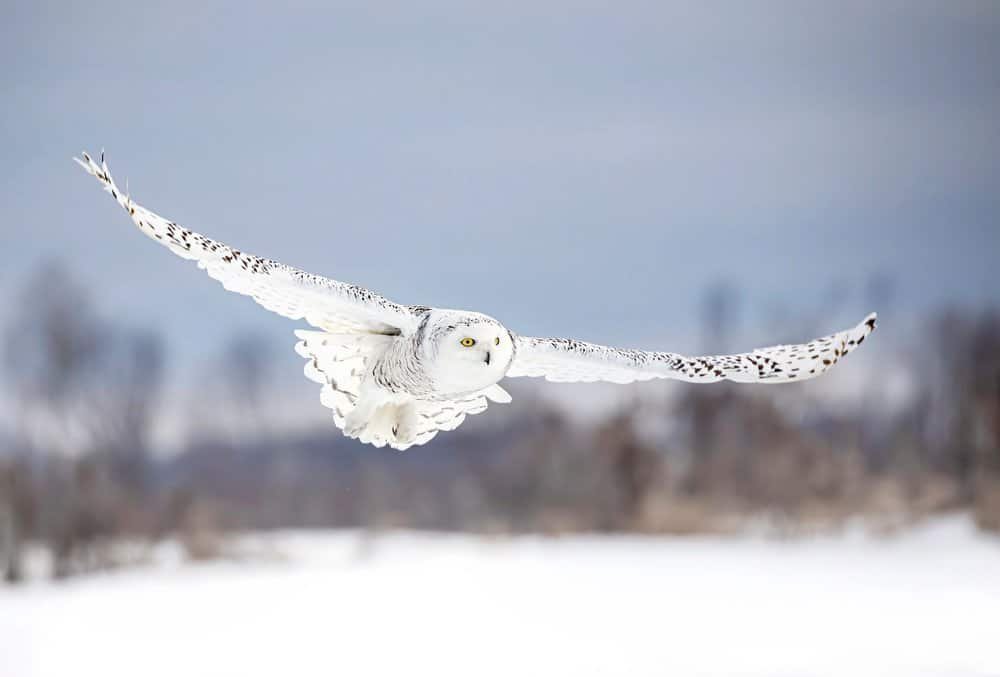
Here’s a thought experiment: picture a large bird in flight. Now imagine that bird making virtually no sound whatsoever, not just quiet, but genuinely near-silent, to both human ears and the sensitive hearing of its prey. That’s the owl in motion, and it represents one of the most remarkable aerodynamic achievements found in nature.
Most birds in flight create turbulence as air rushes over their wing feathers, producing that familiar whooshing or flapping sound. Owls have effectively solved this problem through a set of extraordinary feather adaptations that have, rather fascinatingly, caught the attention of aerospace and engineering researchers who are hoping to apply similar principles to quieter aircraft and wind turbine blades.
The Comb-Like Serrations on Primary Feathers
The leading edge of an owl’s primary wing feathers, the outer, biggest feathers that do most of the lifting, has comb-like serrations that look like the teeth of a comb or a saw blade.These serrations break up the flow of air over the wing surface, disrupting the formation of large turbulent vortices and replacing them with many smaller micro-vortices that dissipate quickly and quietly.
Think of it like the difference between a single large wave crashing on a shore and a series of tiny ripples, the energy is distributed and neutralised rather than concentrated into noise.
The magic of an owl’s silent flight doesn’t just start at the front of its wings. Imagine the upper surface of its feathers, adorned with a soft, velvety layer, akin to a gentle whisper in the wind.
This unique texture absorbs the echoes of turbulence, muffling the sound as an acoustic sponge would. But the marvel doesn’t end there. As air glides past the wing’s trailing edge, it encounters delicate, comb-like fringes.
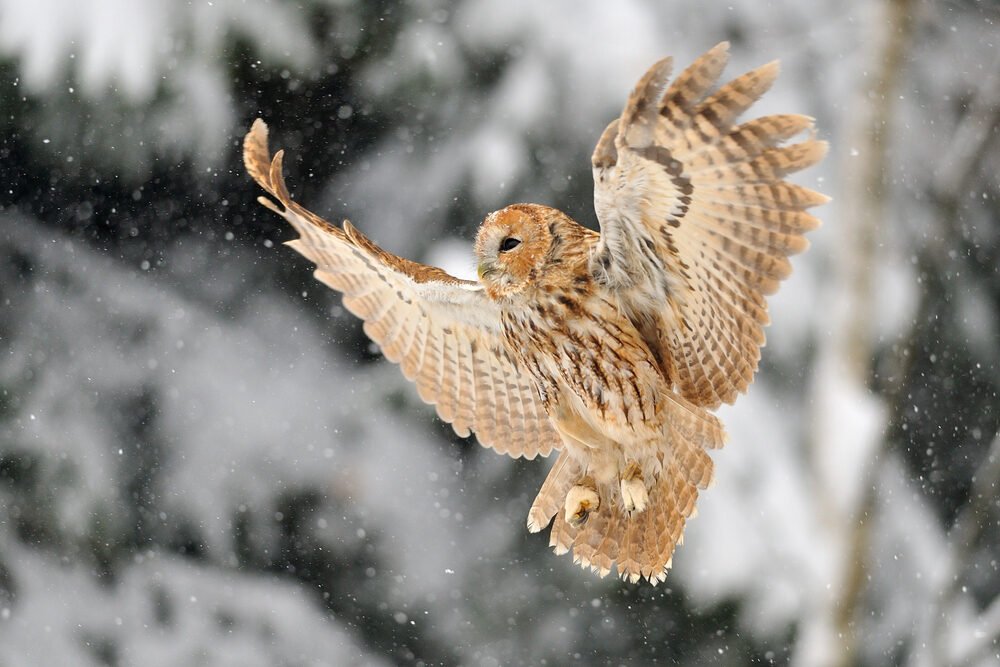
These fringes act as peacemakers, smoothing the air’s transition and erasing the noisy signature that other birds can’t escape. It’s a symphony of adaptations: jagged leading edges, plush surfaces, and fringed tails weave together to render the owl’s flight nearly inaudible. For the prey, silence is the last thing they hear. For the owl, this hush isn’t just advantageous for hunting; it’s a crucial element of survival, ensuring its own keen hearing isn’t compromised in the chase.
What is the Largest Owl in the World?
The Blakiston’s Fish Owl (Bubo blakistoni) is widely recognised as the largest owl species on Earth, and it is a genuinely imposing creature. Native to the old-growth forests along rivers and coastlines of Russia, China, and Japan, particularly the island of Hokkaido, this bird commands attention in every sense.
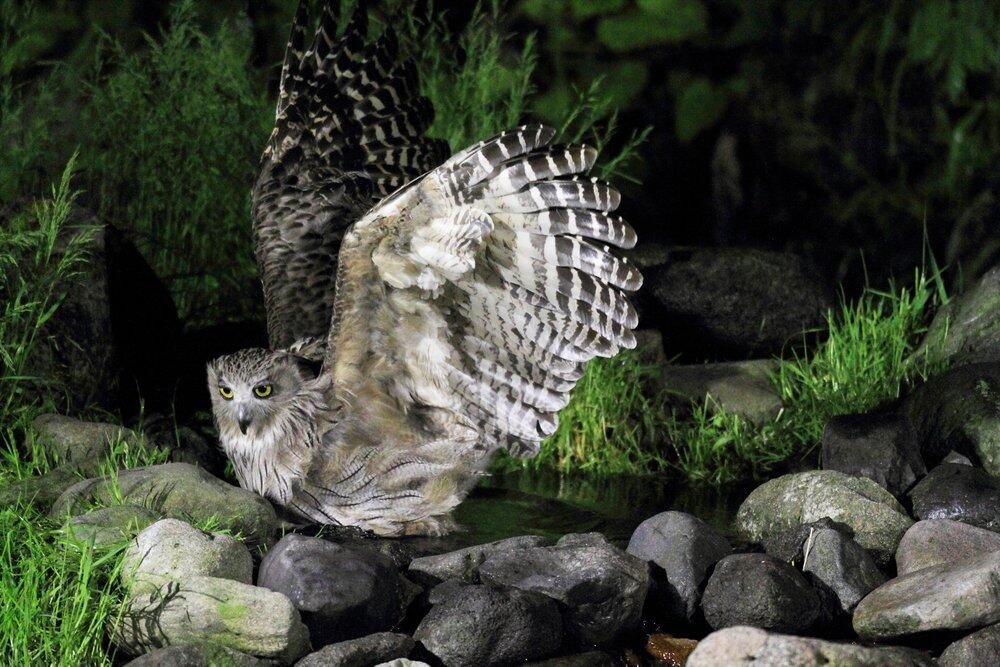
The Blakiston’s Fish Owl can have a wingspan of up to 190 centimeters, roughly the height of a tall adult measured fingertip to fingertip, and can weigh over four kilograms. It truly is in a class of its own.
Spotting one in the wild is now a rare occurrence due to its endangered status. Seeing one in the wild is considered by researchers and photographers to be one of the most remarkable experiences in birdwatching.
As its name suggests, this owl has specialised as a fisher, wading into shallow rivers and streams to snatch salmon, trout, and other fish directly from the water. Its feet are adapted accordingly, with particularly rough, gripping toe pads suited to catching slippery, struggling prey. It is a specialist in every sense, and that specialisation, combined with its dependence on pristine, undisturbed river habitats, is precisely what makes it so vulnerable to habitat loss and climate change.
Conservation efforts in Japan, supported by dedicated wildlife organisations and researchers, have made the Blakiston’s Fish Owl something of a flagship species for old-growth forest protection in the region, a reminder that protecting one extraordinary creature often means protecting an entire ecosystem.
What is the Smallest Owl in the World?
Now, let’s travel to the opposite end of the spectrum entirely, because if the Blakiston’s Fish Owl represents the owl at its most imposing, the Elf Owl (Micrathene whitneyi) represents it at its most enchanting.
Found primarily in the deserts and scrublands of the south-western United States and Mexico, the Elf Owl holds the title of the world’s smallest owl species, and arguably one of the most charming birds on the planet.
Standing at roughly 12 to 14 centimetres tall and weighing no more than about 40 grams, barely heavier than a standard letter, this tiny predator is scarcely larger than a sparrow.
Though tiny, the Elf Owl is as capable as its larger relatives. It hunts insects, scorpions and small invertebrates with precise skill, often catching prey mid-air with the same silent efficiency typical of owls. It nests in abandoned woodpecker holes in saguaro cacti and oak trees, making a living in some of North America’s toughest habitats.
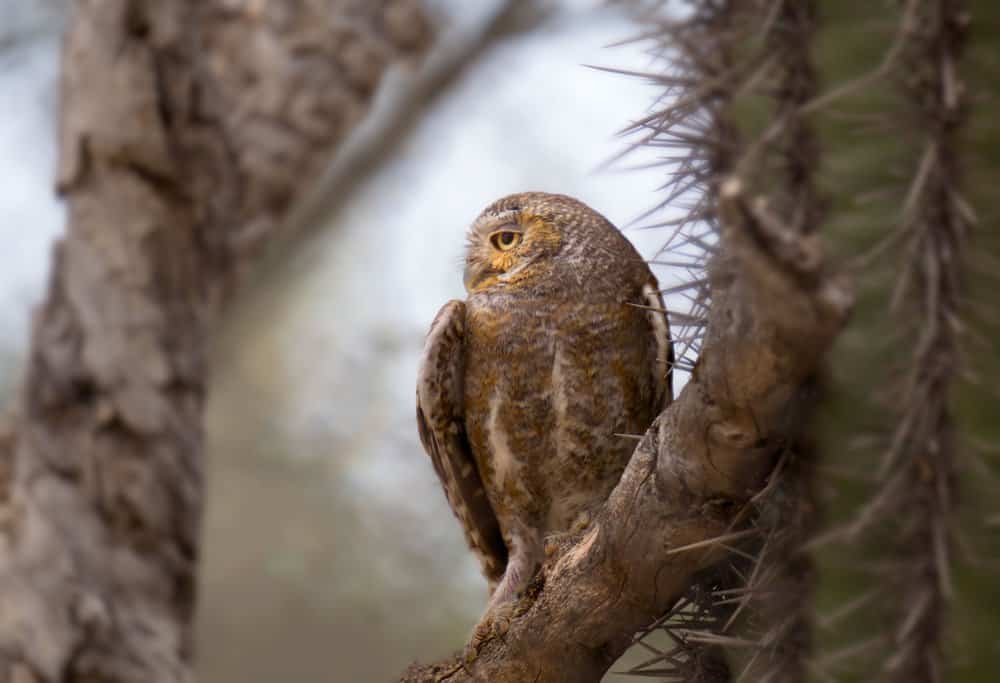
There is something particularly delightful about the Elf Owl that goes beyond its size. It is a reminder that the qualities we find extraordinary in owls, the stealth, the precision, the quiet intensity, are not the exclusive domain of the large and dramatic. Evolution has packed every one of those adaptations into a bird you could hold in the palm of your hand.
3 Must Read Children’s Books about Owls
Help the little ones in your life to fall in love with owls
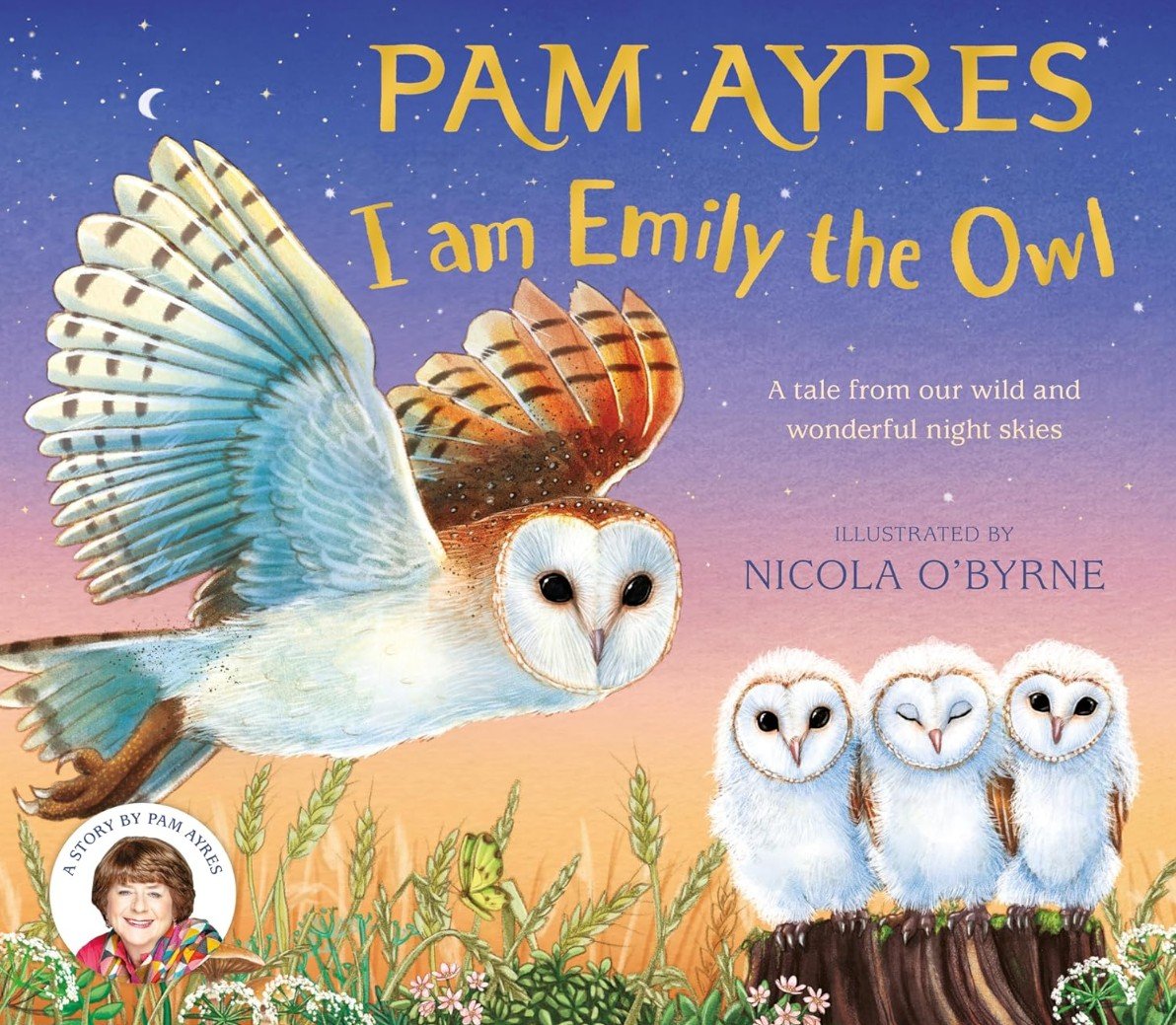
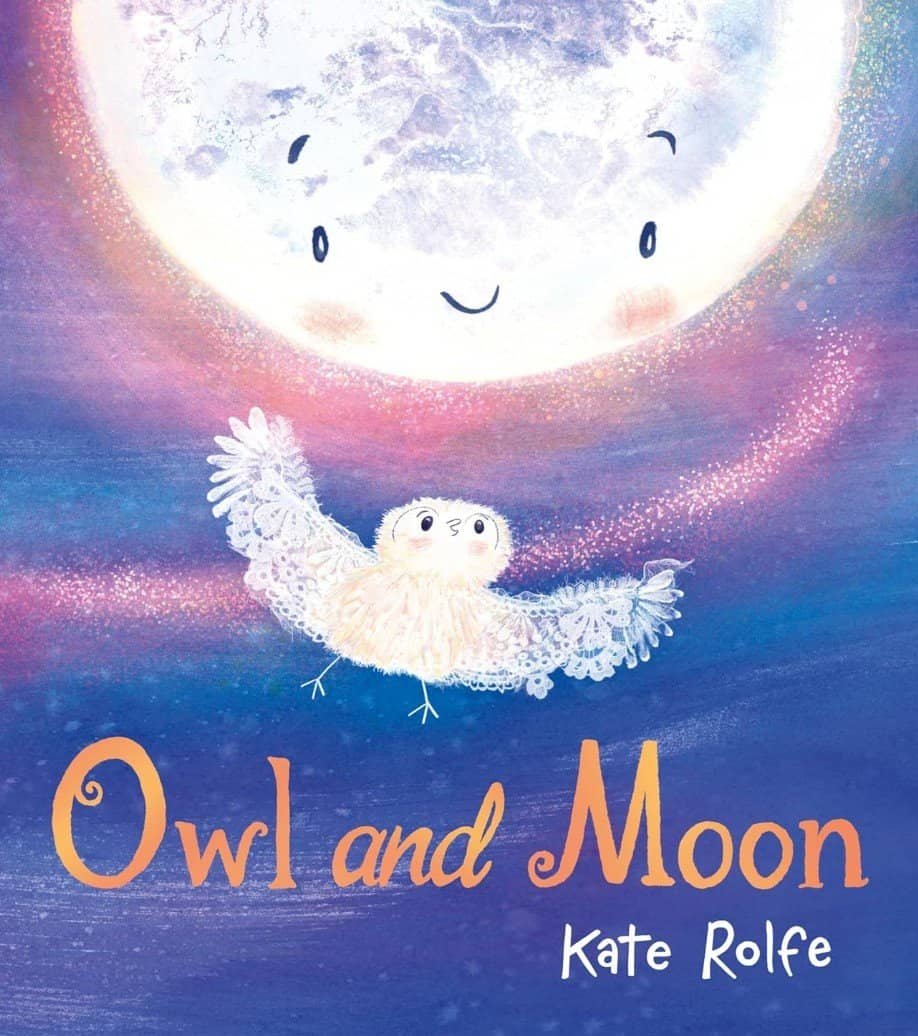
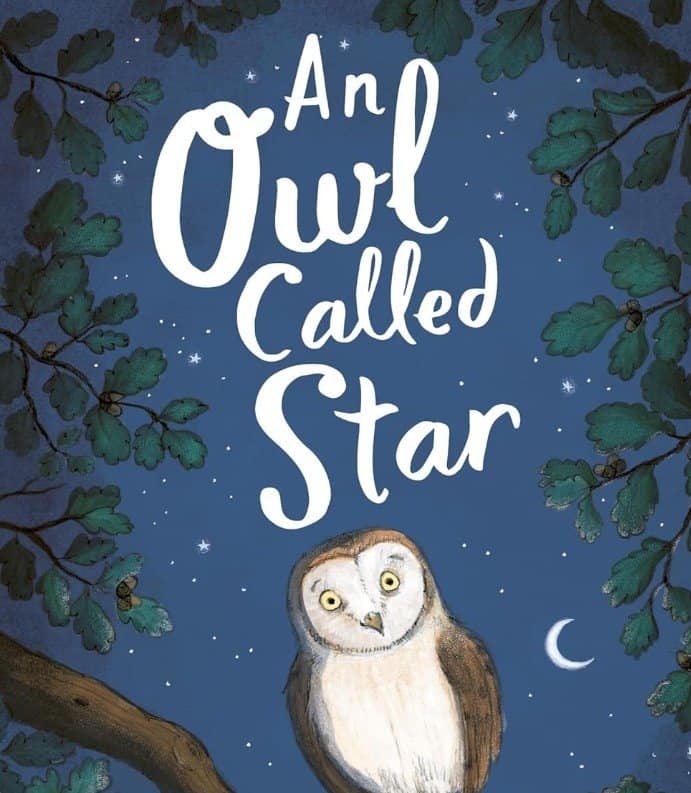
Looking to spark a child’s interest in owls and, hopefully, nurture a lifelong passion for conservation? Sharing stories is one of the best ways to inspire curiosity and wonder about the natural world. These books are more than just bedtime stories, they’re invitations to discover the secrets of owls, learn how they live, and understand why protecting them matters.
Here are three recommended children’s books that bring the world of owls to life and make conservation a natural part of the adventure. Pass this list on to friends or family, it could be the first step in inspiring the next generation of nature lovers and conservationists.
Heads up!
The links above are Amazon affiliate links. If you click one and make a purchase, I might earn a tiny commission, at no extra cost to you. It’s like buying me a coffee without the awkward small talk.
Thanks for helping my endless quest for stronger coffee and occasional biscuits.
Click responsibly!