My Books, Self Publishing
Writing for Real Children
What R.L. Stine Reminded Me About Writing for Real Children That Changed the Entire Direction of My Book
There’s something quietly humbling about spending months on a project, pouring your whole heart into it, and then sitting back, reading it through one more time, and thinking: something’s off. You can’t quite put your finger on it. The words are there. The story is there. Your little hedgehog character is absolutely adorable. And yet, something isn’t landing the way you imagined it would when you first scribbled the idea down on a napkin at half seven in the morning.
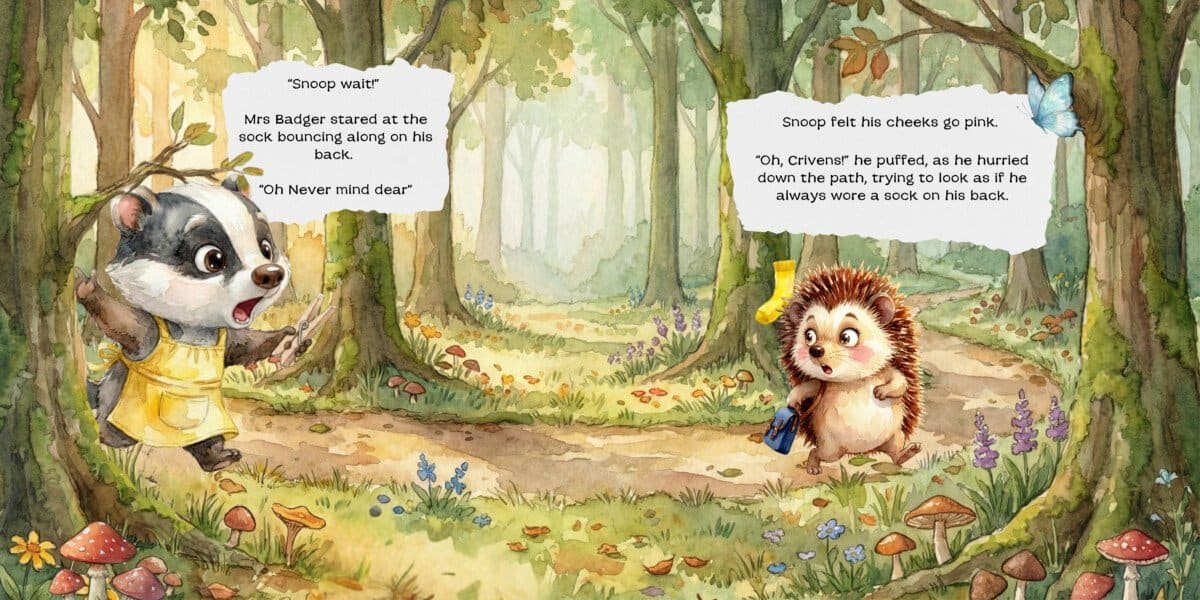
That was me, not so long ago, staring at draft after draft of Snoop Hog’s Sticky School Run and wondering why it felt like it was missing something. I’d rewritten it. I’d tweaked it. I’d read it aloud to myself in a variety of increasingly dramatic voices. And still, that nagging little feeling remained, sitting there like a hedgehog in the middle of the road, stubborn, spiky, and absolutely refusing to move.
What I didn’t expect was that the person who’d eventually help me figure it out would be the man responsible for keeping an entire generation of children awake at night, hearts hammering, torch tucked under the duvet. Yes. That R.L. Stine.
Masterclass Review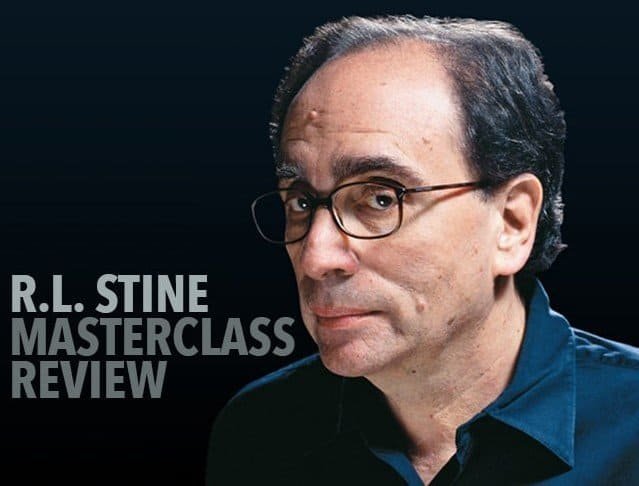
Before: When the Book Just Wasn’t Quite Right
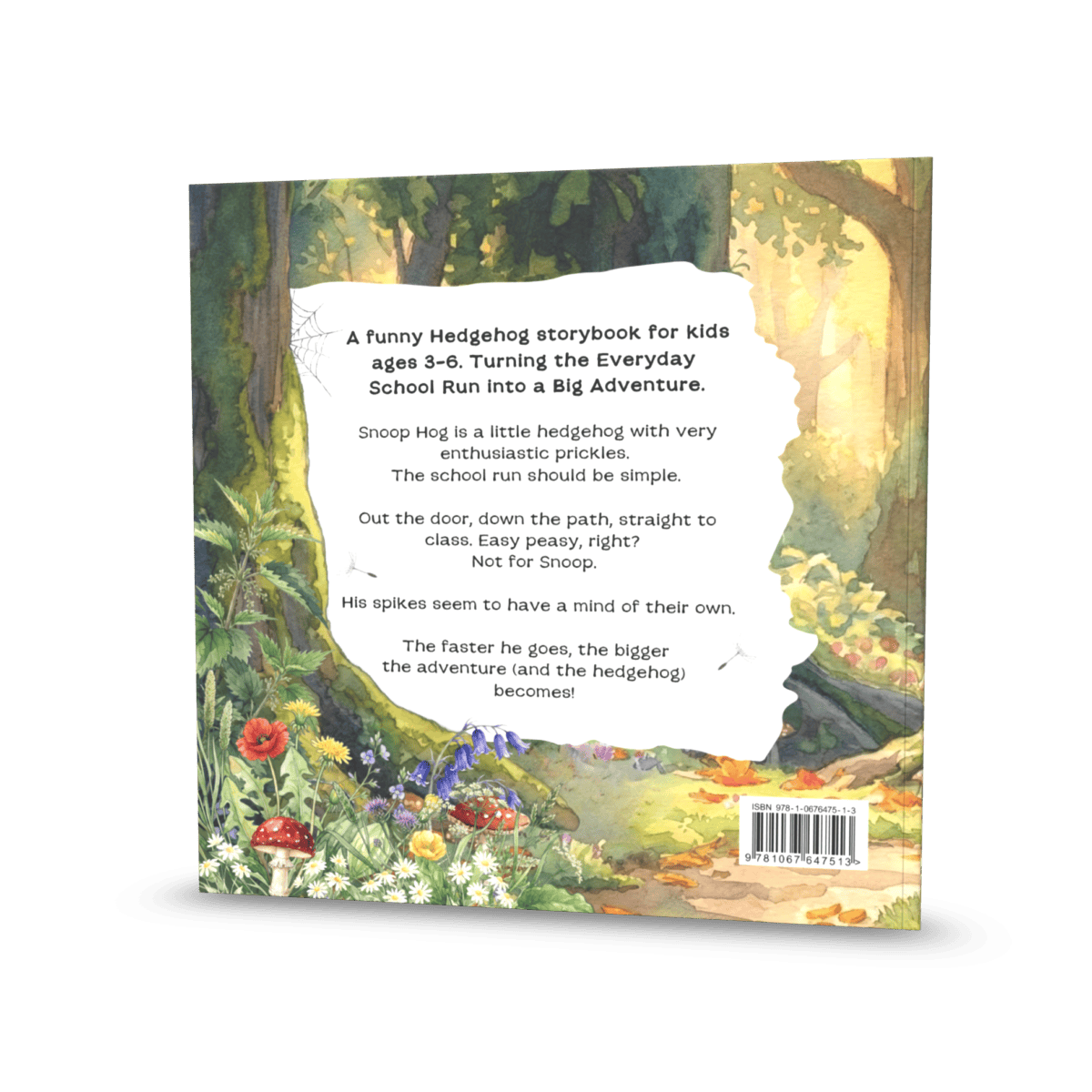
Let me set the scene a little. I’d been working on Snoop Hog for a good while, the kind of working that involves a lot of enthusiasm at the start, followed by a lot of staring at the ceiling, followed by more enthusiastic rewriting, followed by more ceiling-staring. Classic creative process, basically. The book is aimed at children aged three to six, which is a wonderful, chaotic, gloriously unpredictable age group, and I genuinely love writing for them.
But here’s what I kept doing without realising it. I was writing for the adult in the room. I was thinking about parents, about the reading-aloud experience, about whether the vocabulary felt appropriate and whether the message was clear enough. I was, without meaning to, creating something that sat somewhere between a children’s book and a parental reassurance manual. It had all the right ingredients on paper, awesome main character, a relatable school run scenario, but somewhere in the writing process, I’d lost sight of the actual child sitting cross-legged on the carpet, eyes wide, waiting to be delighted.
I genuinely didn’t know that’s what I was doing. That’s the tricky thing about blind spots. They’re blind. You can’t see them. Which is why sometimes you need a fresh perspective from somewhere completely unexpected, like, say, the king of Goosebumps.
Goosebumps SeriesThe Bridge: Learning From a Horror Legend (Yes, Really)
So I enrolled in R.L. Stine’s Masterclass. And look, I’ll be honest, I did briefly wonder what on earth Slappy the Dummy had to teach me about a cheerful watercolour hedgehog navigating the school run. But I was stuck, I was curious, and sometimes you just have to trust the process even when the process seems slightly unhinged.
For anyone who grew up in the eighties or nineties, my fellow Gen X survivors, R.L. Stine was simply part of the furniture. Goosebumps, Fear Street, It Came From Beneath the Sink (an absolute classic, and yes, I did just casually drop that title to prove I did my homework). He wrote over a 300 books.
The reason he connected with so many children wasn’t just clever monsters or satisfying plot twists. It was because he genuinely, deeply, completely understood his audience. He respected them. He wrote for them, not around them.
That distinction hit me somewhere around the middle of the Masterclass, and honestly, it hit hard. Not in a devastating way, more like one of those moments where something clicks so cleanly into place that you can almost hear it. The lesson wasn’t really about horror writing at all. It was about getting out of your own way and writing for the child. Not for the adult reading over their shoulder. Not for the critic in your head. Not for the theoretical parent who might or might not approve of your vocabulary choices. For the actual child.
The Lightbulb Moment That Changed Everything
Writing for the Child, Not for the Grown-Up in the Room
Imagine if someone gently but firmly pointed out that you’d been cooking for the dinner guests’ parents rather than for the dinner guests themselves. That’s roughly how it felt. I’d been so focused on whether the book was responsible, relatable, and reassuring for grown-ups that I’d forgotten to make it irresistible to a five-year-old.
Children don’t want reassurance wrapped in careful language. They want chaos. They want mess. They want giggles and surprises and moments that feel just a tiny bit out of control in the safest possible way. They want a hedgehog who gets into sticky situations, literally, in Snoop Hog’s case, and they want to feel the joy of that story in their whole body, not just their brain.

Picture this scenario: a child who doesn’t care one bit whether the vocabulary is age-appropriate but absolutely loses their mind with delight when something unexpected happens on page four. That’s the reader I should have been writing for all along.
Going back to the manuscript with that new lens was like cleaning a window you didn’t realise was dirty. Suddenly everything looked different. The moments that had felt a little flat suddenly needed more energy, more mischief, more pure unfiltered child logic. The places where I’d been quietly sensible needed to be a little less sensible.
Snoop Hog needed to feel more like a real, slightly chaotic small creature navigating a real, slightly chaotic small life, and less like a carefully constructed teaching moment.
Grab your copy
The Emotional Challenge of Rewriting Something You Love
I want to be real with you here, because I think anyone who’s ever created something from scratch will understand this: going back to rewrite something you’ve already poured yourself into is genuinely hard. There’s a grief to it, almost. You’re not just editing words, you’re letting go of a version of the thing you made, the version you thought was finished. It requires a particular kind of creative courage to say, “I think I need to start this section again,” and actually mean it.
But here’s what I’ve come to believe, having come out the other side: the willingness to do that work is exactly what separates a good creative from a great one. Not talent. Not the perfect first draft. The ability to look at what you’ve made with honest eyes, accept the feedback your gut has been quietly offering you, and then roll up your sleeves and make it better. Every child deserves a story that truly sees them, and that mission, that every child deserves proper story time, real books, real imagination, away from the relentless pull of screens, is worth doing the hard rewrite for.

What Snoop Hog Looks Like Now
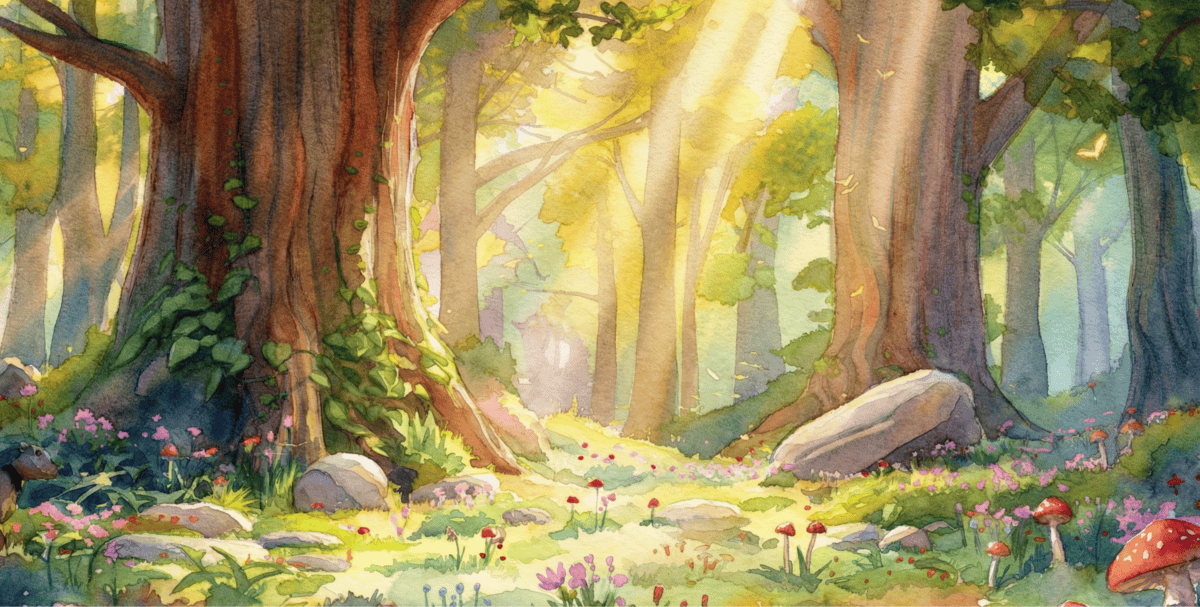
The transformation isn’t about a complete overhaul. It’s more subtle than that, and in some ways more exciting. Snoop Hog’s Sticky School Run still has its warm heart and its watercolour world. But now it has more life in it. More mischief. More of that slightly unhinged energy that children instinctively recognise as their own. The story now speaks directly to the child, their experience of school mornings, of things going unexpectedly wrong, of the particular kind of small chaos that is getting out of the house before nine o’clock when you are very small and very easily distracted.
As a Gen X kid, I grew up believing in the power of books to shape how children see the world. Not as a lofty concept, just as a simple, lived truth. Someone read to me, and it changed me. Someone handed me a Goosebumps book at the right moment, and I became a reader for life. I want Snoop Hog to be that book for someone. The one that a child picks up again and again, that gets read so many times the spine cracks and the pages go soft at the corners. That’s the goal. That’s always been the goal. I just needed R.L. Stine to remind me how to get there.
Your Creative Pivot: The Moment That Changed Your Direction
Every creative person has one. That moment when someone says something, or you read something, or you simply have a quiet moment alone with your own work and suddenly see it differently. The pivot. The shift. The “oh, that’s what I’ve been doing wrong” moment that feels equal parts embarrassing and enormously exciting.
These moments are worth celebrating, not cringing away from. They mean you’re paying attention. They mean you’re still growing. They mean the work matters enough to you to keep getting better at it, even when getting better means admitting the current version isn’t quite there yet. That’s not failure, that’s craft. That’s the actual job of being a writer, or an artist, or anyone creating something from nothing and trying to make it genuinely good rather than just finished.
The willingness to learn from unexpected teachers, children’s horror legends, Masterclasses, the quiet feedback of your own gut, is one of the most underrated creative skills there is. Stay curious. Stay humble. And never, ever assume you’ve nothing left to learn from someone whose work looks completely different to yours on the surface.
Masterclass CoursesFollow Along — and Drop a 🦔 Below
This is the part where I invite you in, because this journey is just getting started and honestly, it’s more fun with company. Follow along as Snoop Hog’s Sticky School Run comes to life , from the rewrites and the watercolour artwork to the behind-the-scenes chaos of bringing a children’s picture book into the world. There will be updates, there will be sneak peeks, and there will almost certainly be moments where I question everything again before finding my way back.
And if you’ve ever had a creative pivot, that moment where everything shifted and your work became something truer than it was before, I’d genuinely love to hear about it.
Drop a 🦔 in the comments below and tell me your story. Because if a picture book author learning from the master of children’s horror isn’t proof that inspiration lives in the most unexpected places, I don’t know what is.